Smaller U.S. Trucking Companies Are Getting Crushed: Higher Rates Don't Mean Higher Profits
by TRUCKERS VA
(UNITED STATES)
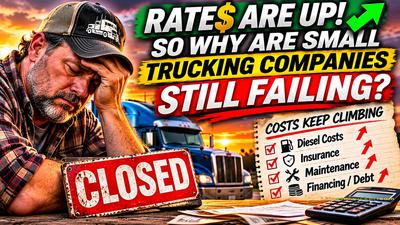
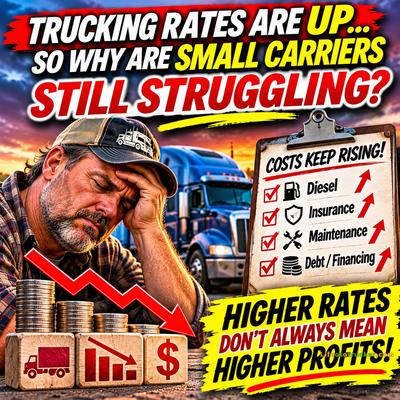
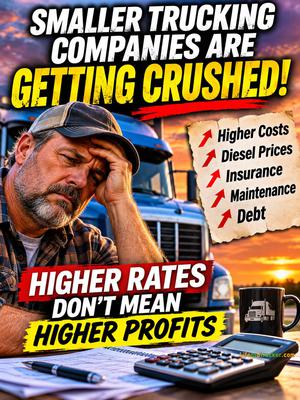
Smaller U.S. Trucking Companies Are Getting Crushed: Higher Rates Don't Mean Higher Profits
Freight rates are climbing, but America's small trucking companies are still getting run over by rising expenses. And for some owner-operators, the road to business ownership is turning into a dead end.
The trucking industry is changing, and not everybody is winning
Here's something that doesn't seem to make sense at first. Trucking rates are going up, fewer carriers are operating, and the big trucking companies are feeling pretty good about their future.
So why are smaller trucking companies going out of business?
Because there's a big difference between charging more for a load and actually making money hauling it.
According to a November 2026 report from The Loadstar, at least 16 trucking companies filed for bankruptcy or shut down during a five-week period from mid-September into October. These weren't all giant corporations. Many were small operators running anywhere from one truck to fleets of 50 to 100 vehicles.
Some businesses were carrying hundreds of thousands, even millions, of dollars in debt. Maryland-based Silk Route Transportation, which operated 12 trucks, reportedly faced $541,000 in liabilities. California's Road King Transport, with 20 trucks, had nearly $3.4 million in debt.
That's a whole lot of freight that didn't get anybody out of debt.
Higher freight rates aren't saving small carriers
Normally, when fewer trucks are available, freight rates have room to increase. That's basic supply and demand.
And that's exactly what's happening. As trucking capacity shrinks, shippers are having to pay more to move their freight.
But here's the problem: smaller carriers often don't have the financial muscle to survive long enough to benefit from those higher rates.
Large carriers have more negotiating power, established contracts, and better access to financing. Smaller operators may be depending on load boards and all-inclusive rates that don't always account for sudden increases in operating expenses.
Imagine getting a better-paying load only to discover that diesel, insurance, maintenance, and financing costs ate up the extra money before you reached the receiver.
Congratulations. You just worked harder to make the same money. Or less.
Diesel and insurance are eating away at profits
Fuel remains a major concern. The Loadstar reported that the U.S. Energy Information Administration's November forecast projected average retail diesel prices of $5.03 per gallon for the following year, up from its October forecast of $4.49.
Smaller carriers can be especially vulnerable because many don't have fuel surcharge arrangements that adequately protect them from price swings.
Then there's insurance.
Industry consultant Satish Jindel pointed to rising insurance costs following the Montgomery lawsuit ruling involving broker and third-party logistics company liability in serious trucking crashes.
As companies become more careful about the carriers they hire, insurance and safety qualifications become even more important. Smaller fleets often pay more per unit for coverage and have less negotiating power.
And if you think fuel is expensive, try keeping a truck insured when your profit margins are already running on fumes.
The big guys see opportunity while the little guys struggle
Here's where things get interesting.
While smaller carriers are fighting to stay alive, executives at major trucking companies are expressing optimism about the industry's future.
Werner Enterprises CEO Derek Leathers described the company as being in the early stages of a potential multi-year recovery. He pointed to shrinking capacity, stable customer demand, and improving pricing.
Covenant Logistics
executives have also expressed optimism about opportunities following the prolonged freight downturn.
In other words, the same market conditions hurting small operators could be creating opportunities for larger companies.
That's an important distinction. A recovering trucking market doesn't automatically mean every trucking business will recover.
Could autonomous trucks make things even tougher?
There's another development worth watching: autonomous trucking.
Research from Kearney and the MIT Mobility Initiative suggests that the operating costs of autonomous trucks could approach those of human-driven trucks as soon as 2028.
The estimates cited by The Loadstar put autonomous operating costs at approximately $4 per mile today, potentially declining to $2.60 by 2028. Human-operated trucking costs could reach approximately $2.70 per mile.
That's a pretty big development, although it doesn't mean human truckers are disappearing tomorrow.
Industry consultant Satish Jindel remains skeptical about how quickly autonomous trucking will become widespread, particularly because of safety and regulatory concerns.
Still, owner-operators should pay attention. Technology has a way of changing industries whether everybody is ready or not.
What should owner-operators and small fleets do?
This is where the conversation needs to move beyond complaining about the economy.
Small trucking businesses need to pay attention to the numbers, not just the number of loads available.
- Know your cost per mile: Calculate fuel, insurance, maintenance, equipment payments, taxes, and every other operating expense.
- Be careful with debt: High-interest loans and merchant cash advances can turn a temporary cash-flow problem into a permanent financial disaster.
- Choose freight carefully: A load that doesn't cover your operating costs isn't a good load just because it keeps the wheels turning.
- Protect your cash flow: Build reserves whenever possible and understand the true cost of factoring and other financing arrangements.
- Have a backup plan: Owning a truck should create opportunities, not leave you financially trapped.
The bottom line: More expensive freight doesn't guarantee a better trucking business
The trucking industry may be heading toward a stronger freight market, but the recovery won't be shared equally.
Large carriers have advantages that smaller operators simply don't have. Better financing, stronger negotiating power, and the ability to absorb rising expenses can make a tremendous difference.
And here's the uncomfortable truth: being your own boss doesn't mean much if the business owns you.
Trucking can still provide a good living, but relying on one truck, one customer, or one source of income can leave you exposed when the market turns against you.
Whether you're an owner-operator, company driver, or someone thinking about getting into trucking, it's worth thinking beyond the next paycheck.
Build your trucking career, but build your options, too.
Want to build income outside of trucking?
You don't have to wait until you're burned out, struggling financially, or ready to sell your truck to start thinking about what's next.
Learning AI, developing online business skills, and building an additional income stream while you're off duty can give you more choices down the road.
Trucking can be part of your financial journey without having to be your entire future.
Explore ways to build income outside trucking at TruckerSideHustle.com.
And if you're looking for more honest trucking industry insights, career information, and advice, visit LifeAsATrucker.com.
Don't just keep driving toward the next load. Start building toward the future you actually want.
Sources and further reading:


