NYC Truck Tolls Under Fire: Could Congestion Pricing Cost Truckers More Than Ever?
by TRUCKERS VA
(UNITED STATES)
NYC Truck Tolls Under Fire: Could Congestion Pricing Cost Truckers More Than Ever?
By Truckers VA | November 27, 2026
Imagine delivering merchandise into Manhattan three times in one day. You make the deliveries, fight the traffic, deal with tight schedules, and then get hit with another congestion toll every time your truck enters the zone.
Meanwhile, a passenger car generally pays just once for the day.
Welcome to New York City trucking. Where getting the freight delivered can feel like an expensive game of Monopoly, except nobody gets to pass Go.
Now, the trucking industry is taking that fight to federal court.
Truckers Are Fighting Back Against NYC Congestion Pricing
On November 25, 2026, the Trucking Association of New York appeared before a three-judge panel of the U.S. Court of Appeals for the Second Circuit.
The association, representing more than 550 member companies from New York and Canada, wants the court to revive its lawsuit challenging New York City's congestion pricing program.
The group's argument is straightforward: commercial trucks face a financial burden that is unfair compared with other vehicles, and the toll structure allegedly violates constitutional protections involving interstate commerce.
Unfortunately for the trucking association, the judges appeared less than enthusiastic about its arguments during the hearing.
That's not a final decision, but it certainly isn't the encouraging courtroom atmosphere the industry was hoping for.
Why Are Trucks Paying More?
Here's where things get interesting.
New York City's congestion pricing program charges vehicles entering Manhattan's Congestion Relief Zone, which covers local streets and avenues south of and including 60th Street.
But commercial trucks have a different toll structure from ordinary passenger vehicles.
According to NYC's published toll information:
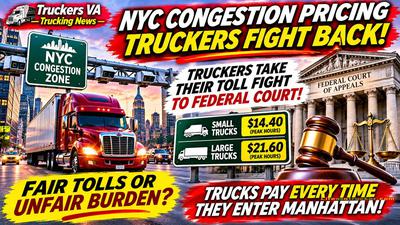
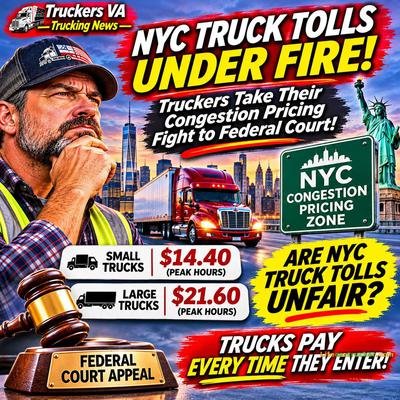
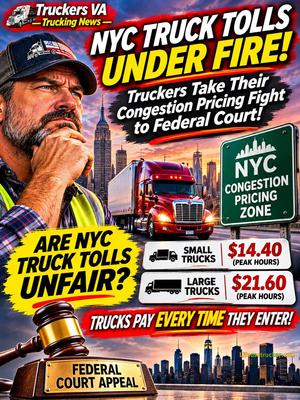
- Small trucks: $14.40 during peak hours with E-ZPass.
- Large trucks: $21.60 during peak hours with E-ZPass.
- Passenger vehicles: $9 during peak hours, generally charged only once per day.
There's another important difference.
Passenger vehicles generally pay once daily, while trucks and buses are charged for every entry into the congestion zone.
So imagine a truck making multiple deliveries throughout Manhattan. Every additional entry can mean another toll.
For a trucking company operating multiple vehicles, those charges can become another expense to factor into the business.
Why Does the Trucking Association Say This Is Unfair?
The Trucking Association of New York argues that the program places an unconstitutional burden on commercial trucking operations.
One of its central concerns involves the Dormant Commerce Clause, a constitutional principle that limits states from improperly interfering with interstate commerce.
Think about what commercial trucks actually do.
They deliver groceries, construction materials, medical supplies, restaurant products, retail merchandise, and countless other necessities.
Trucks aren't entering Manhattan simply because somebody wants to take a scenic drive through Midtown.
They're there because businesses and consumers need their products.
The association argues that the toll structure unfairly burdens the industry and could affect trucking prices, routes, and services.
Why Is the Court Not Easily Convinced?
Here's the challenge facing the trucking industry.
New York's transportation
authorities have defended congestion pricing as a way to reduce traffic, improve air quality, and generate funding for public transportation.
They also have an argument for charging trucks differently: larger commercial vehicles can have a greater impact on congestion.
And this isn't the first legal challenge to the program.
In July 2026, the Second Circuit rejected similar constitutional challenges brought by Rockland and Orange counties.
That earlier decision gives the trucking association another hurdle to overcome.
However, the trucking industry's case raises its own questions about commercial vehicle charges and the impact on interstate freight movement.
What Could This Mean for Owner-Operators and Trucking Companies?
For drivers and businesses serving New York City, this isn't just a courtroom argument.
It's about operating expenses.
Every toll, fuel purchase, maintenance bill, insurance payment, and delivery delay affects the bottom line.
For owner-operators, especially those working on tight margins, additional toll expenses can make certain deliveries less attractive.
Carriers may also need to consider toll costs when negotiating delivery rates and planning routes.
And let's be honest: customers aren't always eager to pay more just because getting their merchandise into Manhattan has become more expensive.
Some of those costs may eventually find their way into the prices businesses and consumers pay.
Does This Mean Truckers Can Stop Paying the Toll?
No.
The legal appeal does not automatically suspend congestion pricing or eliminate existing toll obligations.
As of November 27, 2026, congestion pricing remains in effect, and no final ruling overturning the program in this trucking association's appeal has been announced.
Truckers entering the zone should continue following the current toll requirements while the legal process continues.
The Bottom Line: Who Pays for Keeping New York Moving?
Congestion pricing is designed to address traffic and fund public transportation. Those are legitimate policy goals.
But the trucking industry raises an important question:
How much additional cost should commercial transportation companies be expected to absorb when they're providing the deliveries that keep a major city running?
There's a balance to be found between reducing congestion and keeping freight transportation economically practical.
And that balance matters far beyond New York City.
Let's Hear From the Trucking Community
Here's a question for our drivers and owner-operators:
Should commercial trucks be charged every time they enter Manhattan while passenger cars generally pay just once per day?
Is the difference justified because trucks are larger, or are commercial drivers being unfairly targeted for simply doing their jobs?
We want to hear from people who actually deal with these costs.
Leave your thoughts in the comments. Let's have a real trucking industry discussion.
Stay Informed. Stay Ahead.
For trucking business ideas, side hustles, and opportunities, visit TruckersSideHustle.com.
Thinking about becoming a professional truck driver? Visit LifeAsATrucker.com to learn more about getting started.
Truckers VA – Bringing the news that matters to the people who keep America moving.
Sources: Bloomberg Law, November 25, 2026; NYC311 Congestion Pricing Program; New York Metropolitan Transportation Authority; Second Circuit decision, July 13, 2026.


