NEW TANK RULES COULD CHANGE THE GAME! PHMSA TARGETS VALVES AND COMPOSITE EQUIPMENT
by TRUCKERS VA
(UNITED STATES)
NEW TANK RULES COULD CHANGE THE GAME! PHMSA TARGETS VALVES AND COMPOSITE EQUIPMENT
If you haul hazardous materials, operate portable tanks, or manage equipment used in specialized freight operations, here's something worth putting on your radar.
Federal regulators are proposing changes that could affect certain portable tank valves, vapor-recovery openings, and composite equipment used in restricted port transportation operations.
And while this isn't a complete overhaul of America's tanker industry, the details matter.
The Pipeline and Hazardous Materials Safety Administration (PHMSA), an agency within the U.S. Department of Transportation, published a proposed rule called HM-215S on October 27, 2026.
The proposal is part of a broader effort to harmonize U.S. hazardous-materials transportation regulations with international standards.
Let's break down what is changing, who could be affected, and why tank owners and carriers should pay attention.
1. The Three-Device Valve Requirement Gets More Attention
One of the most important parts of the proposal concerns portable tanks carrying flammable refrigerated liquefied gases.
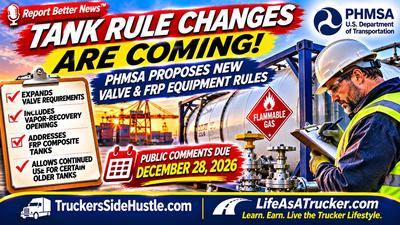
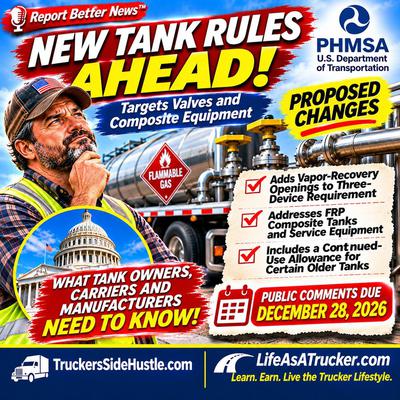
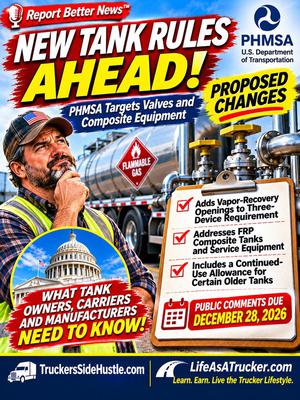
PHMSA wants to explicitly include vapor-recovery openings among the openings subject to an existing requirement for three independent shutoff devices in series.
Why does that matter?
Vapor-recovery connections are used for operations such as precooling tanks and reducing pressure during filling. These connections are part of the equipment system that helps operators handle specialized refrigerated cargo.
The proposed clarification would make it clear that these vapor-phase openings are included in the applicable safety requirements.
Here's an important technical detail: The three devices do not necessarily mean three traditional valves.
The arrangement includes:
- A stop valve positioned as close as reasonably practicable to the tank jacket.
- A second stop valve.
- A blank flange or equivalent closure device.
The existing provision also specifies requirements for the first device, including self-closing capability and remote actuation within 30 seconds.
2. What Happens to Older Portable Tanks?
Here's a detail that tank owners and equipment buyers will want to understand.
The proposed rule includes a continued-use allowance for certain affected cryogenic portable tanks constructed before January 1, 2029, even if they do not meet the proposed vapor-opening requirements.
That could help avoid an immediate requirement to retrofit every older tank affected by this particular change.
However, don't mistake this for a free pass on equipment maintenance.
Existing inspection, testing, and safety requirements still matter. A tank with damaged equipment or unsafe operating conditions doesn't become acceptable simply because it qualifies for a proposed transition provision.
For companies purchasing new equipment, this is a good time to discuss construction specifications and vapor-recovery configurations with manufacturers.
3. FRP Composite Equipment Also Gets Attention
The second major development involves fiber-reinforced plastic, commonly called FRP, portable tanks and their service equipment.
These specialized tanks are used in certain international transportation operations.
Under existing regulations, qualifying UN FRP portable tanks are subject to restrictions involving transportation within a single port area.
PHMSA proposes extending the relevant provisions to include service equipment associated with
those tanks.
But there's a catch.
This does NOT mean composite portable tanks would suddenly receive unrestricted permission to travel throughout the domestic United States.
The proposal maintains the limited port-area transportation framework and its applicable conditions.
That distinction is important for carriers, terminal operators, and dispatchers arranging shipments involving international freight.
4. Why Should Trucking Companies Care?
Not every trucking company will be affected by these proposed changes.
A carrier hauling ordinary dry freight probably doesn't need to lose sleep over portable tank valve configurations.
But companies involved in hazardous materials, cryogenic transportation, tank-container operations, and port drayage should take a closer look.
Equipment requirements can influence purchasing decisions, maintenance planning, manufacturer specifications, and transportation authorizations.
For smaller specialized carriers, understanding a proposed rule early can help prevent expensive surprises later.
It also gives businesses an opportunity to ask questions before final requirements are established.
5. The Deadline Is Approaching
PHMSA published the HM-215S proposal on October 27, 2026.
The public comment deadline is December 28, 2026.
That means affected businesses, manufacturers, industry organizations, and other interested parties have an opportunity to provide feedback.
Useful comments can include information about equipment designs, installation costs, manufacturing timelines, engineering challenges, and real-world transportation operations.
The agency will consider the comments as it works toward developing a final rule.
Until then, these particular amendments remain proposals, not final new requirements.
THE BOTTOM LINE: DON'T WAIT UNTIL THE RULES CHANGE TO START ASKING QUESTIONS
PHMSA's portable tank proposal may sound like a highly technical subject, but for businesses operating specialized equipment, the details can have real financial and operational consequences.
Tank owners should review their equipment records. Manufacturers should understand the proposed valve language. Carriers and dispatchers handling qualifying FRP equipment should pay attention to transportation restrictions and authorizations.
And if your business could be affected, consider reviewing the proposal and submitting informed comments before the deadline.
Because in trucking, finding out about a regulation after it becomes a problem is rarely the cheapest way to learn.
WHAT DO YOU THINK?
Should trucking companies and equipment manufacturers get more time to prepare for specialized equipment changes?
Are federal transportation regulations becoming easier to understand, or is keeping up with compliance getting harder?
We want to hear from the people who actually work in this industry.
Share your thoughts and join the conversation!
MORE TRUCKING RESOURCES
Interested in trucking business opportunities, additional income ideas, and resources for people already working in the industry?
Visit TruckersSideHustle.com for more trucking-related business ideas and opportunities.
Thinking about becoming a professional truck driver?
Start learning about the industry, getting started, and the trucking lifestyle at LifeAsATrucker.com.
Stay informed. Stay prepared. Keep America moving!
Primary source: PHMSA Federal Register Proposed Rule – HM-215S, October 27, 2026.
Additional industry coverage: Tank Transport – PHMSA Proposes New Portable-Tank Valve and Composite-Equipment Provisions, November 18, 2026.
Public comment deadline: December 28, 2026.
Docket: PHMSA-2025-0048 (HM-215S).


