🚨 Trucks Under the Microscope! EPA Expands Border Inspections – Is Your Cargo Ready?
by TRUCKERS VA
(UNITED STATES)
🚨 Trucks Under the Microscope! EPA Expands Border Inspections – Is Your Cargo Ready?
By Truckers VA | November 27, 2026
If you're hauling freight across the U.S.–Mexico border, there's something worth paying attention to.
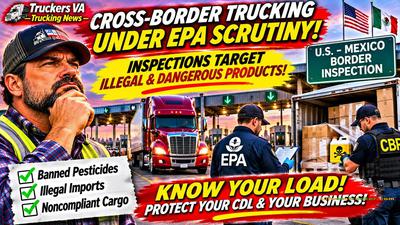
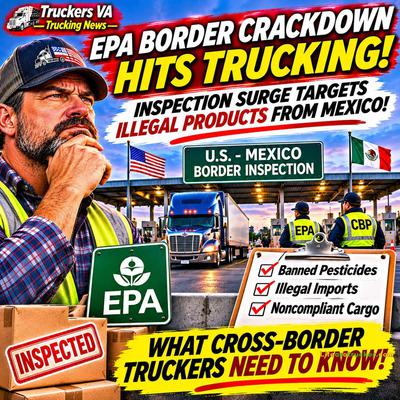
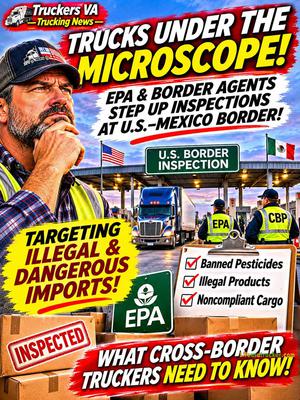
The U.S. Environmental Protection Agency (EPA) is stepping up inspections of commercial shipments entering the United States, working alongside Customs and Border Protection (CBP) at major Texas border crossings.
And they're not just looking for paperwork mistakes.
Federal inspectors are targeting dangerous and illegal imports, including banned pesticides and other products that aren't allowed into American markets.
Here's why this matters to the trucking industry: your truck may be carrying the shipment, but what's inside that trailer could become a much bigger issue if the cargo violates federal regulations.
What's Happening at the Southern Border?
According to an EPA announcement dated November 24, 2026, EPA officials and inspectors joined CBP officers for a week of inspections at two major Texas border crossings.
- Port of Brownsville: A major commercial port in southern Texas.
- Pharr Port of Entry: Also known as the Hidalgo Port of Entry, connecting Pharr, Texas, with Reynosa, Mexico.
The operation focused on commercial traffic carrying potentially dangerous or illegal products from Mexico into the United States.
EPA officials also inspected local retailers for the illegal distribution and sale of harmful pesticides.
This was part of a broader effort to establish a more consistent inspection presence at land border crossings.
What Exactly Are Inspectors Looking For?
The EPA's focus includes products that violate federal environmental and safety regulations.
One major concern is unregistered or prohibited pesticides.
These products can create serious problems if they enter the supply chain and are eventually used in homes, businesses, agriculture, or other environments.
Other dangerous imported products can also fall under the agency's enforcement responsibilities.
The EPA works under several federal laws governing imported products, including:
- Federal Insecticide, Fungicide, and Rodenticide Act (FIFRA).
- Clean Air Act.
- Toxic Substances Control Act.
- Safe Drinking Water Act.
- American Innovation and Manufacturing Act.
In other words, this isn't simply about whether a shipment has the right paperwork. Certain products must meet specific federal requirements before they can legally enter American commerce.
More Than 490,000 Pounds of Illegal Products Blocked
Here's where the numbers get interesting.
According to the EPA, coordinated inspection efforts beginning in January 2026 have produced some significant results.
- 461 products inspected.
- 181 shipments examined.
- More than 490,000 pounds of noncompliant products prevented from entering U.S. channels of trade.
These figures cover the agency's coordinated inspection work across multiple locations, not just the recent Texas operation.
Previous inspection surges included Savannah, New York/Newark, Los Angeles/Long Beach, Houston, and Pembina, North Dakota.
That tells us something important: the EPA's inspection initiative is broader than one border crossing or one state.
Why Should Truck Drivers Care?
Let's put this into everyday trucking terms.
You're dispatched to pick up a load. The rate looks good, the delivery window is
tight, and you're ready to get rolling.
But do you actually know what's inside that trailer?
Professional drivers should understand the freight they're transporting and know where to find the relevant shipping documents.
When handling cross-border shipments, communication between the driver, carrier, broker, and shipper is especially important.
Here are some practical precautions:
- Know your load: Review the bill of lading and shipping information.
- Ask questions: Don't ignore vague descriptions of potentially regulated products.
- Check documentation: Make sure shipment details are consistent with the paperwork provided.
- Protect your records: Keep copies of dispatch instructions, rate confirmations, and relevant communications.
- Report concerns: If something doesn't look right, contact your carrier or appropriate compliance personnel before proceeding.
- Allow extra time: Border inspections can affect delivery schedules, so communicate possible delays early.
Remember, drivers aren't expected to become environmental lawyers overnight. But knowing what you're hauling and having accurate documentation can make a difference.
Is This the Beginning of More Border Inspections?
The EPA has made it clear that it wants a more consistent inspection presence at southern land ports.
The agency also says its coordinated approach is designed to prevent importers from simply trying another port after CBP has directed the reexport of illegal products.
That means inspection activity isn't necessarily limited to one location.
For trucking companies moving freight between Mexico and the United States, maintaining accurate cargo information and good communication with shipping partners should remain a priority.
One important distinction: the EPA has not announced that every commercial truck crossing the southern border will automatically receive an EPA inspection. The initiative targets potentially illegal and dangerous imports.
The Bottom Line: Know What's in Your Trailer
Cross-border trucking already involves plenty of moving parts: customs documentation, schedules, inspections, brokers, shippers, and delivery requirements.
Now there's another reason to make sure everyone involved understands exactly what is being transported.
The EPA and CBP are increasing their attention on illegal imports, and the trucking industry is part of that supply chain.
For legitimate carriers and professional drivers, the best approach is simple: know your freight, keep your paperwork straight, and don't ignore questionable instructions.
Because a great freight rate isn't so great if the shipment turns into a compliance nightmare.
Let's Hear From Cross-Border Truckers!
Have you noticed more inspections or additional scrutiny when moving freight across the U.S.–Mexico border?
Do you think stronger cargo inspections are necessary to protect American consumers, or could they create more delays and headaches for legitimate trucking companies?
Share your experience below. We want to hear from the drivers who actually work these routes.
Stay Informed. Stay Ahead.
Looking for trucking business ideas, side hustles, and opportunities? Visit TruckersSideHustle.com.
Thinking about becoming a professional truck driver? Visit LifeAsATrucker.com to learn more about getting started.
Truckers VA – Bringing the news that matters to the people who keep America moving.
Sources: U.S. Environmental Protection Agency, November 24, 2026; CDL Life, November 25, 2026.


